
What I learned from shadowing a public health inspector
As a new employee with Wellington-Dufferin-Guelph (WDG) Public Health, I jumped at the chance to ride along with one of our most experienced public health inspectors, Jagjit Singh-Bajwa. Most folks know the “why,” but not necessarily the “how” behind public health inspections. Being one of those people, I thought some firsthand experience would help illustrate our impact in the community.
Here’s what I learned.
Two kinds of inspections
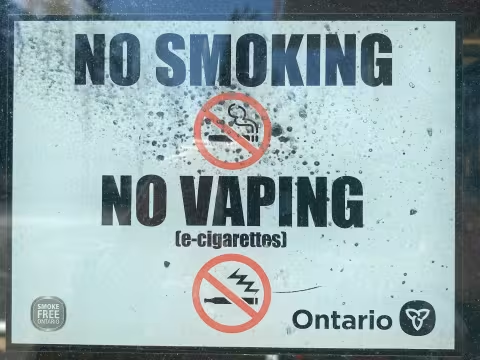
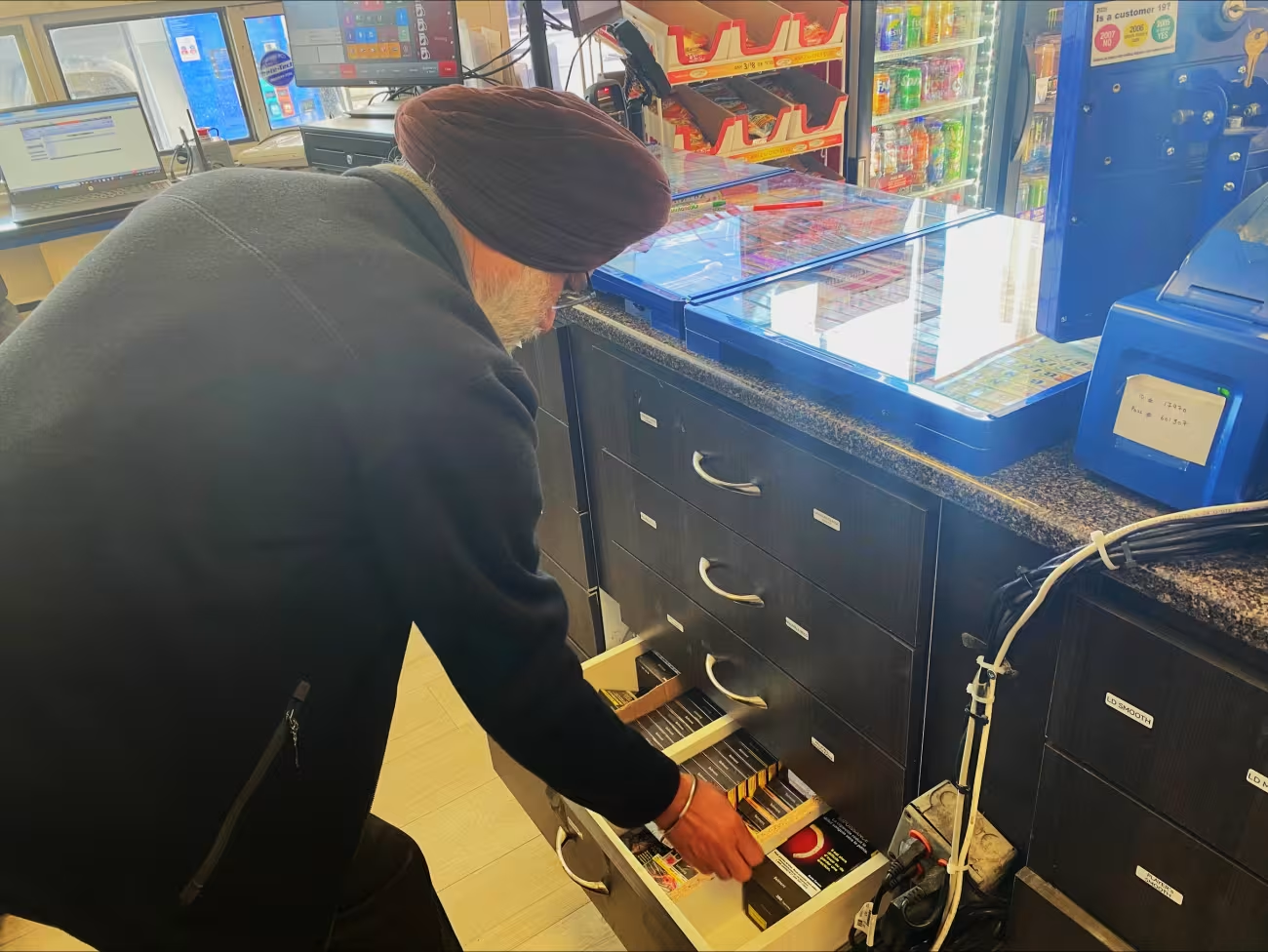
Our first stop was a local tobacco vendor, where inspections focus on compliance with the Smoke-Free Ontario Act (SFOA), 2017 around selling and displaying tobacco and vape products. The first thing we looked for was proper signage at the entrance – check and check.
Other inspection points include:
- Clear display of all required signs – identification, age restriction and no smoking.
- No promotional signs that exceed size, quantity or design limits.
- Proper concealment and handling of products before they are purchased.
- No illegal flavours or highly concentrated products for sale.
Being a non-smoker, I took many of these things for granted. It was both eye-opening and reassuring to see just how thoroughly SFOA – with an assist from Public Health – oversees the sale of nicotine.
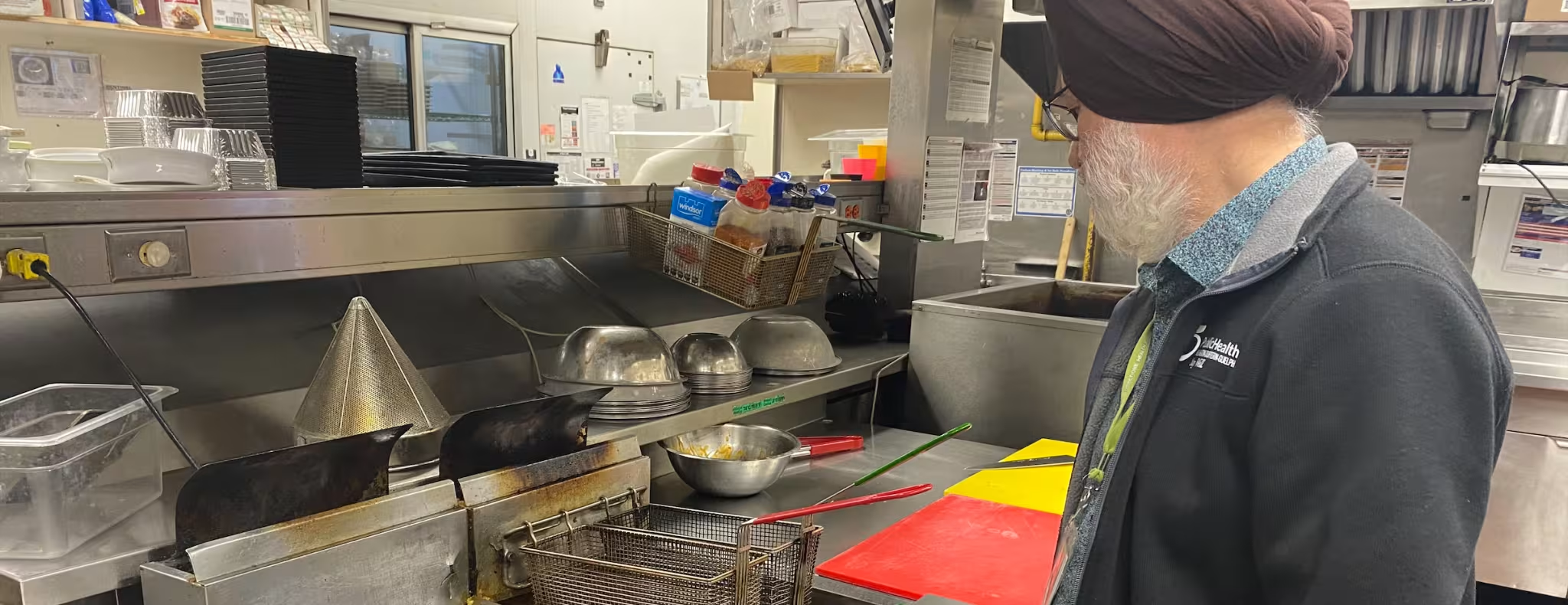
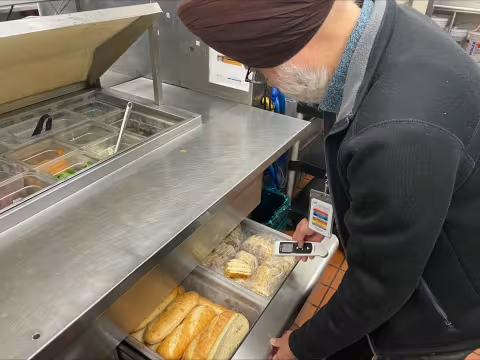
Next was a dine-in restaurant. Based on the complexity of food preparation and the frequency of incoming orders, this was considered a moderate-risk food premise, which are inspected at least twice every 12 months. Public health inspectors will also conduct an inspection if there are any complaints from the public about food safety.
During food safety inspections, Public Health looks for:
- safe food temperatures
- proper food preparation (i.e., safe cooking, storage and receiving)
- employee hygiene (e.g., working handwash stations)
- clean equipment and utensils
- food sources
- pest control
- facility sanitation (e.g., clean floors, walls, garbage areas, etc.)
Infractions can be either critical or non-critical and may require a follow-up inspection. Jagjit can issue either a ticket or an order to ensure compliance. He could also close the premises if all other attempts to fix the problem have failed and the public is still at risk. While public safety is paramount, Jagjit works with food vendors to fix any problems and avoid any business interruption.
Key takeaways
Here are the main things I took away from my three-plus hours shadowing Jagjit:
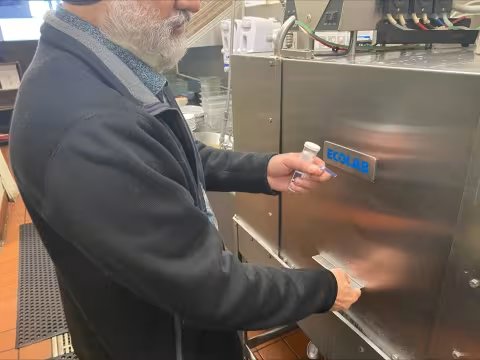
- It’s important to build rapport. There are some simple steps an inspector like Jagjit will take to show they have everyone’s safety and success at heart. He tries to avoid disrupting business at peak traffic times (like during lunch rush). At WDG Public Health, inspectors work with the same food vendors for multi-year periods, so there’s plenty of chance for inspectors and operators to become familiar and work together toward common goals.
- Guidance over enforcement. According to Jagjit, this is the most effective way to fix food safety practices. Most operators take pride in their reputations and are eager to correct infractions when feedback is constructive instead of punitive. Operators should want their staff to think like inspectors, even when no inspectors are around. A strong culture of food safety protects consumers, builds public trust and supports business success, while also helping inspectors sleep more soundly.
Final thoughts
Both businesses we visited got passing grades on their inspections, and I was able to broaden my knowledge about boots-on-the-ground public health work by watching Jagjit operate. It was an all-around successful day, and one that I came away from with a renewed appreciation for all that goes into keeping consumers safe in WDG.
Always Check Before You Choose. Whether you're deciding where to eat, swim, attend camp or what salon to visit, the latest inspection reports are available to help you make the most informed and healthiest choice.
For operators and businesses: WDG Public Health has plenty of resources to help you get established, build your food safety culture, ace inspections and more. Anyone with concerns or questions about a premise inspected by WDG Public Health can contact our team of inspectors at 1-800-265-7293 ext. 4753 or PHI.Intake@wdgpublichealth.ca.