

Finding balance with highly processed foods
You’ve probably heard the phrase “highly processed foods” tossed around a lot lately. Sometimes it’s framed in a way that feels confusing, judgmental, or even a little scary. Let’s slow it down and talk about what it means, and how to be a bit more mindful of these foods without trying to be perfect or giving up foods you enjoy.
First things first: what does “processed” even mean?
Processed food simply means a food has been changed from its original form in some way. Processing can help make food safer, more convenient, and longer lasting. So yes, processed foods can absolutely be part of a healthy eating pattern. There are different degrees of processing, and the more steps and added ingredients involved, the more the food changes from its original state.
Examples of minimally processed foods include washed and cut vegetables, frozen fruit, eggs, milk, plain yogurt, whole grains, dried beans, and roasted nuts.
So, what are highly processed foods?
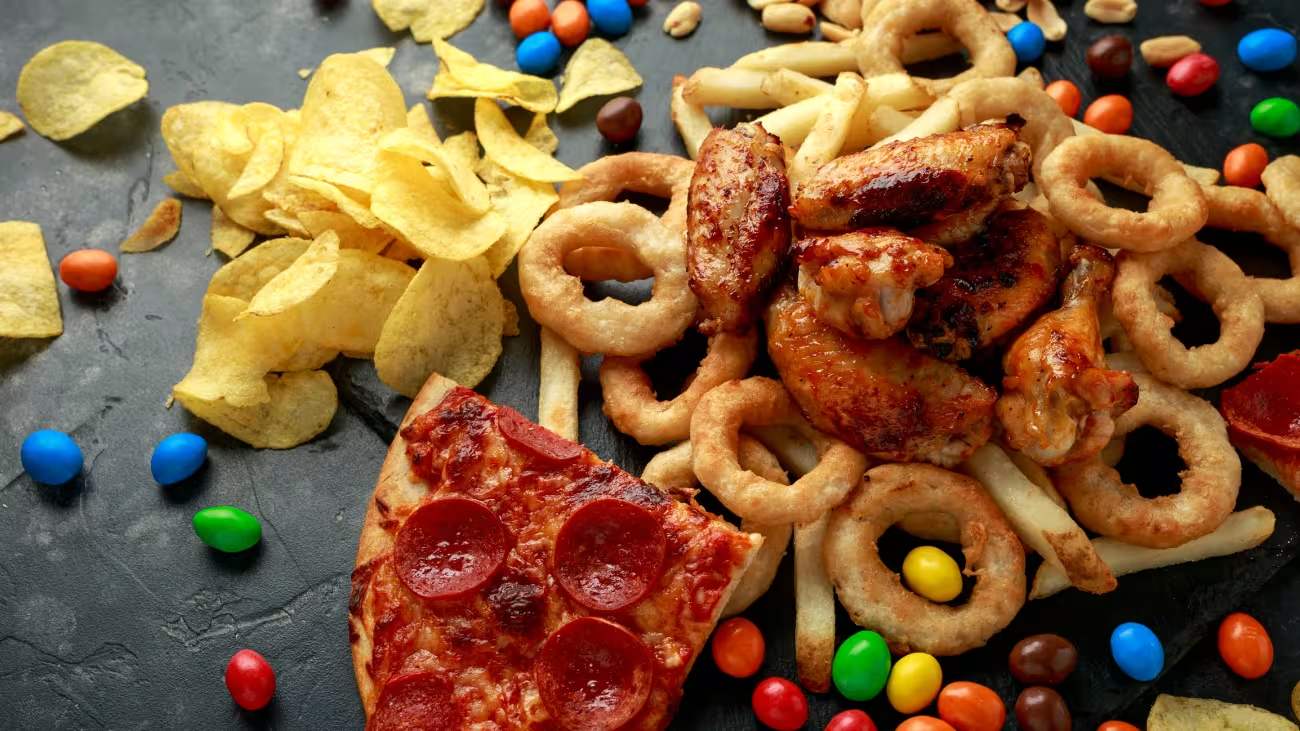
Highly processed foods (HPF) usually go through multiple steps and often contain ingredients you wouldn’t use at home, like flavor enhancers, preservatives, or added sugars, sodium and saturated fat. These foods are often designed to be very tasty and easy to eat quickly.
Examples include sugary drinks, candy and chocolate bars, chips and snack crackers, instant noodles, and packaged baked goods.
These foods aren’t “bad” or off-limits but eating them often or in large amounts may leave less room for more nourishing options and, over time, affect health.
Why focus on limiting HPF?
Highly processed foods tend to be:
- Easy to overeat
- Lower in fiber
- Higher in sodium, added sugars, or saturated fat
Highly processed foods accounted for 46% of the total daily energy intake among Canadians in 2015. Children over five and adolescents consumed the most, with these foods providing more than half of their daily energy on average.*
When highly processed foods make up a large part of our regular eating pattern, it can take the place of foods like vegetables, fruits, and whole grains and make it harder to meet our nutrient needs. The goal isn’t to avoid them completely; it’s about balance over time.
How to Spot HPF in Your Eating Pattern
Before trying to change anything, start by simply noticing what you eat and when.
Pay attention to patterns:
- Which packaged or ready-to-eat foods do you buy most often?
- When do you usually eat them? As quick snacks, full meals or on busy stressful days?
- Which ones do you enjoy, and which ones are mainly about convenience?
Practical tips to help reduce HPF
Here are some realistic ways to shift your eating pattern if you want to include fewer highly processed foods:
- Add before you subtract
Instead of focusing on what to cut out, try adding nourishing foods first. Often, HPF naturally take up less space when your meals are satisfying and balanced. - Build meals around familiar, simple foods
Plan meals with a mix of vegetables and fruit, protein, and whole grains. They don’t have to be fancy, simple is enough. Refer to Canada’s Food Guide for easy options. - Keep the HPF you love, skip the ones you don’t
If a food doesn’t add enjoyment, don’t include it as part of your regular routine. Save space for the ones you really like. - Make swaps that still feel convenient
For example:- Crackers + hummus instead of chips every time
- Yogurt with fruit instead of a packaged dessert sometimes
- Homemade version of a favourite packaged food
- Use the new front-of-package labels as a quick guide
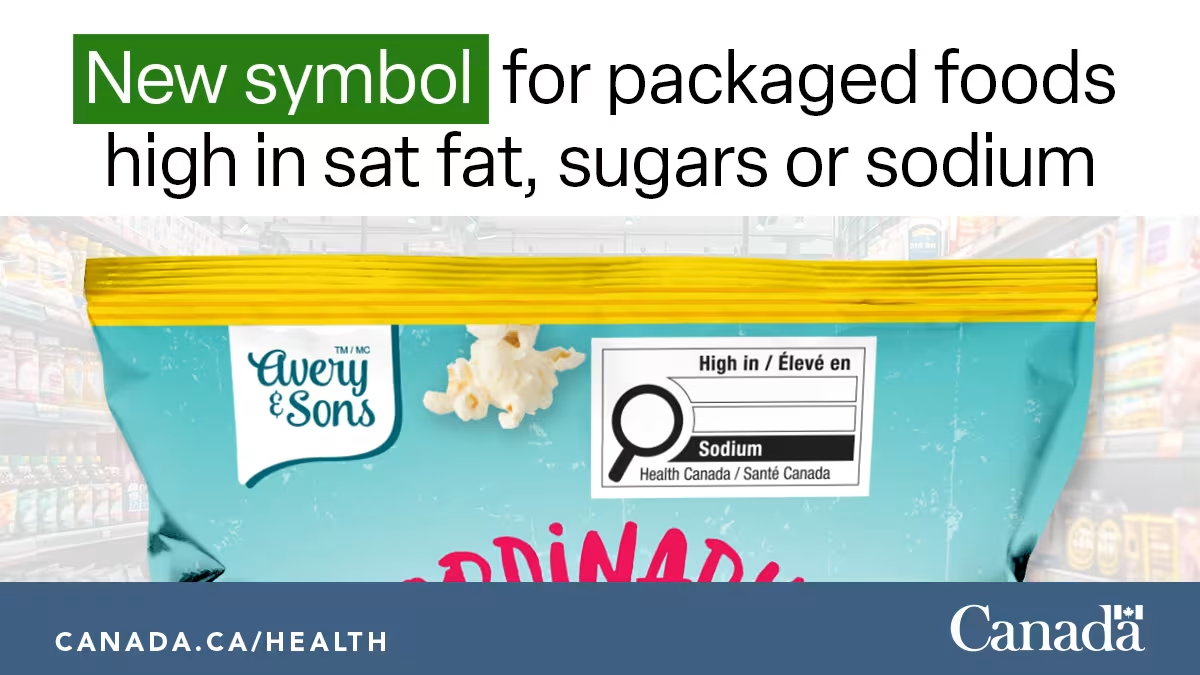
You may notice new symbols on the front of some packages that highlight foods high in sodium, sugars, or saturated fat. These products are often highly processed. The labels aren’t telling you to avoid these foods entirely, they’re there to help you compare options quickly and make informed choices when shopping.
The bottom line
Highly processed foods are part of modern life, and for many of us, part of enjoyment and culture too. The goal isn’t perfection; it’s awareness. Being mindful of how often they show up, choosing them intentionally, and balancing them with nourishing foods can support health over time.
*Stats Canada: Consumption of ultra-processed foods in Canada, 2020
Polsky JY, Moubarac J, Garriguet D. Consumption of ultra-processed foods in Canada. Health Reports. 2020;31(11):3–15. doi:10.25318/82-003-x202001100001-eng