
Improving emergency preparedness at overnight camps
A Public Health Q&A
This winter, Wellington-Dufferin-Guelph (WDG) Public Health, with support from Dufferin County and Wellington County, delivered a day-long workshop for local youth overnight camps to reinforce the importance of being prepared for emergencies.
Eighteen senior camp staff joined a dedicated team of emergency management experts to learn about roles and responsibilities, the fundamentals of planning and the value of strong communication during emergencies, making this workshop one of the largest of its kind for overnight camp operators in Ontario.
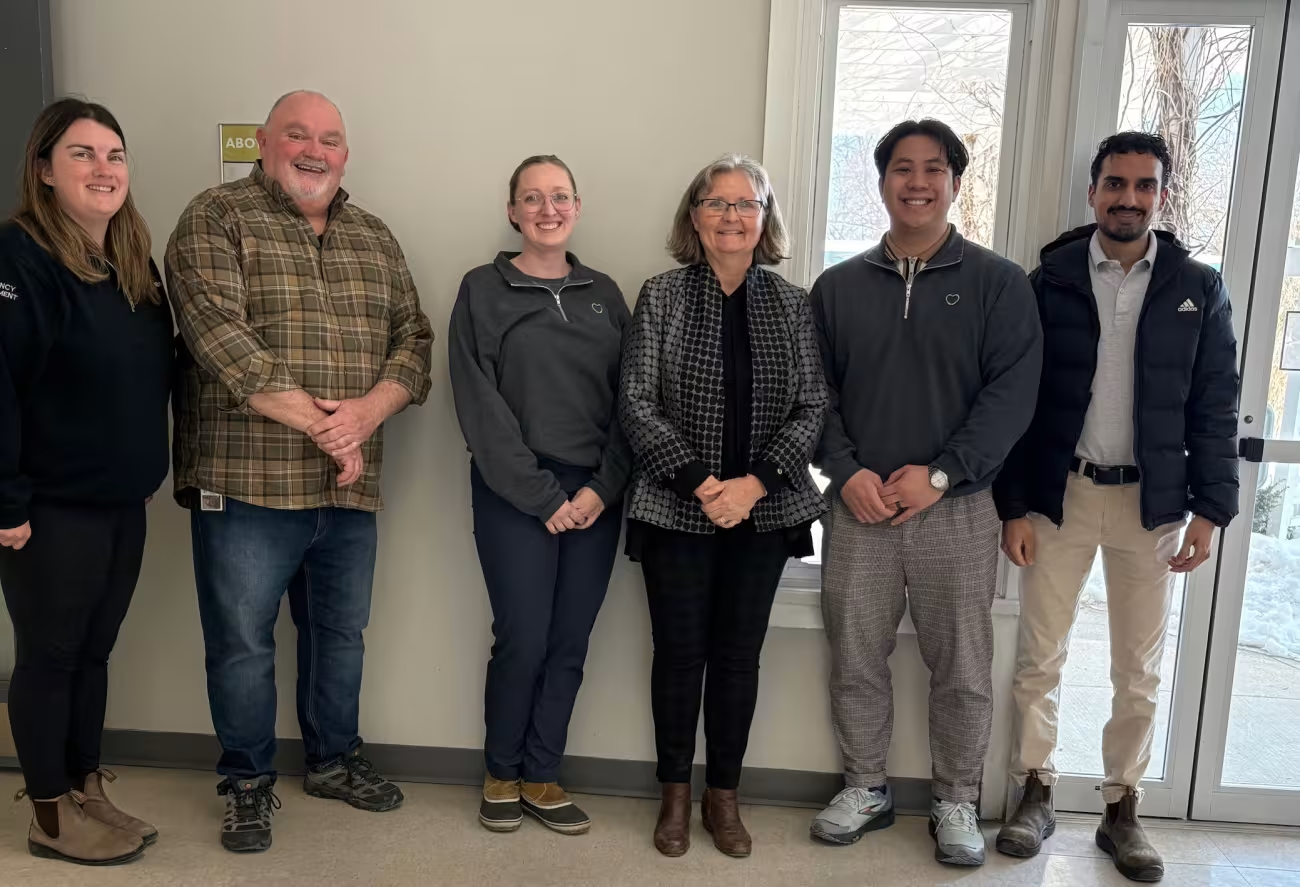
Paul Medeiros, Vice President of Health Protection and Emergency Preparedness, and Raymond Ly, a public health inspector at WDG Public Health answer a few questions about how the emergency preparedness workshop will help overnight camp operators set up for success this summer.
How did the camp workshop idea come about?
Paul: It started last July in the aftermath of the Guadalupe River flood in Central Texas. Tragically, more than 100 people were killed, some of them children from overnight summer camps. Despite WDG containing several waterways, we felt the risk of a similar tragedy occurring here would be low. However, we also felt a strong urgency to better understand the risks and to make sure the camps we inspect are prepared to respond to any kind of emergency.
After internal discussions, we realized that while we do require all camps to have safety plans in place, some further guidance on emergency preparedness would benefit everyone and help fill any potential gaps in the process. From there, we started thinking about how to deliver those best practices in the most useful and engaging way.
How did you design the workshop?
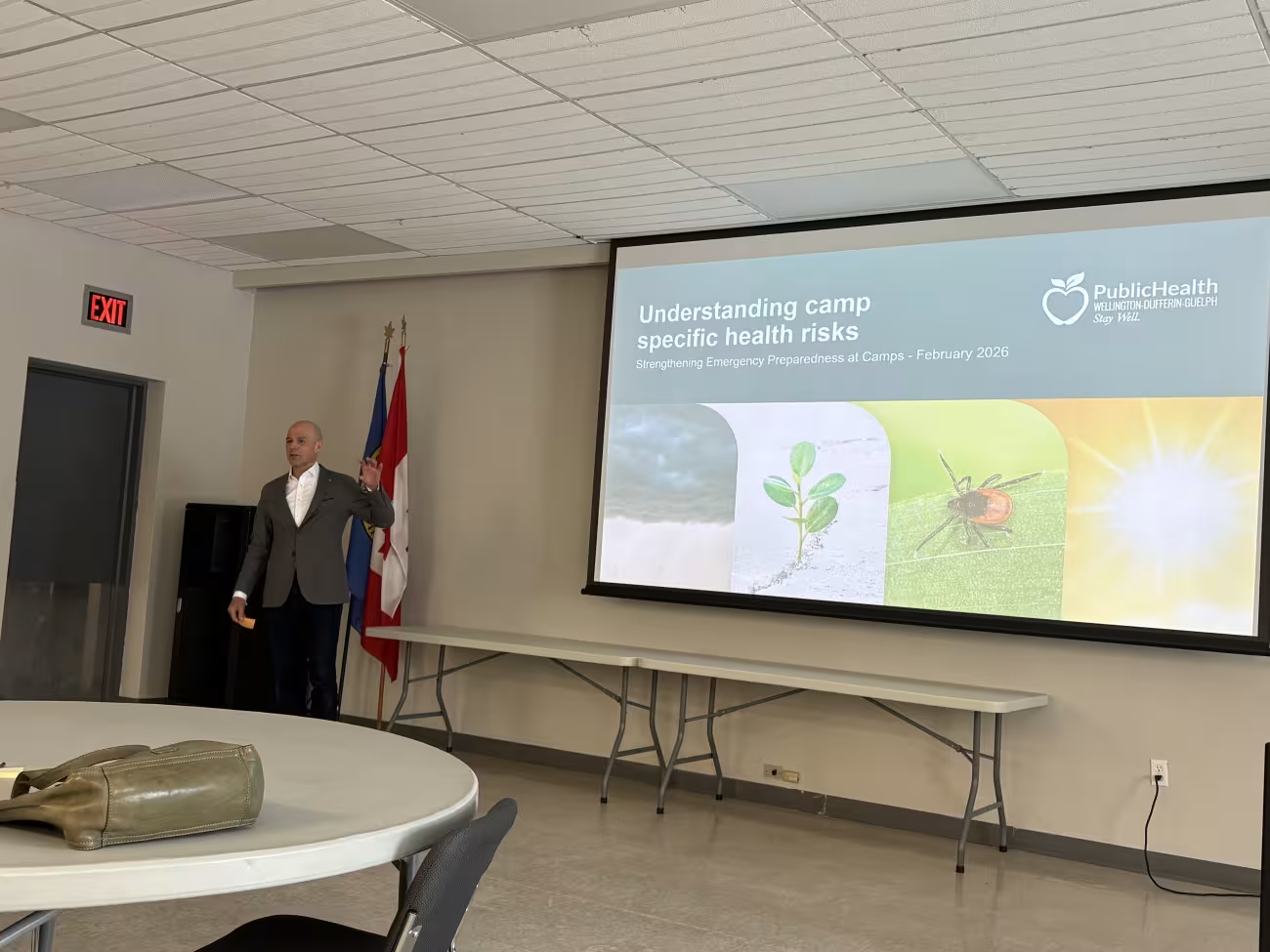
Raymond: We started by reaching out to each camp to see if they thought a workshop would be valuable, and we received a lot of interest. We then worked closely with emergency management teams from Wellington County and Dufferin County on how to successfully organize this workshop. We made sure to touch on public health topics like tick prevention, air quality, extreme heat and blue-green algae along with hazard identification and risk assessment resources that are important for developing emergency response plans.
What were some of the key teachings?
Raymond: There is no single way to develop an emergency plan. Each plan must meet the needs of the camp and the programs offered. However, if you’re trying to create an action plan after the incident happens, you’re already at least a day behind schedule. To encourage proactive thinking we equipped the camps with some plan templates that they can take away and customize to fit their needs.
Paul: One of our main goals was to shift camp organizers from just thinking about safety as activity-specific – like safe swimming or avoiding trips and falls – to actively being prepared for incidents like flooding, tornadoes, missing campers and so on. Our camps have always had a process for creating safety plans, but our mentality is to keep making progress and trying to improve the way we do things.
Have you received any participant feedback?
Raymond: Feedback has been positive. Everything came together, and the camp organizers are looking forward to putting the things they learned into practice for the upcoming season. After the workshop, participants completed a short survey and gave some suggestions on ways we can tailor the content for them better, so the ball is already rolling on how we can improve this concept going forward.
Is there anything that surprised you?
Paul: We originally reached out to overnight camps, but we received interest from one of the day camps in our region. Public Health doesn’t usually inspect or oversee day camp operations, so one of our next steps is exploring a dedicated workshop for day camps on how they can apply emergency preparedness principles for their programs.
Any final thoughts?
Paul: For parents who send their kids to summer camp: along with information about programs, activities and inspection results, we encourage you to ask any camp about how they plan for emergencies that could impact their camp operations. There’s so much for parents to think about when choosing the right camp, and emergency preparedness is something that may not be on their radar until they experience an incident firsthand. We never want emergencies to happen, but it’s better to have a plan and not need it than to need one and not have it.