
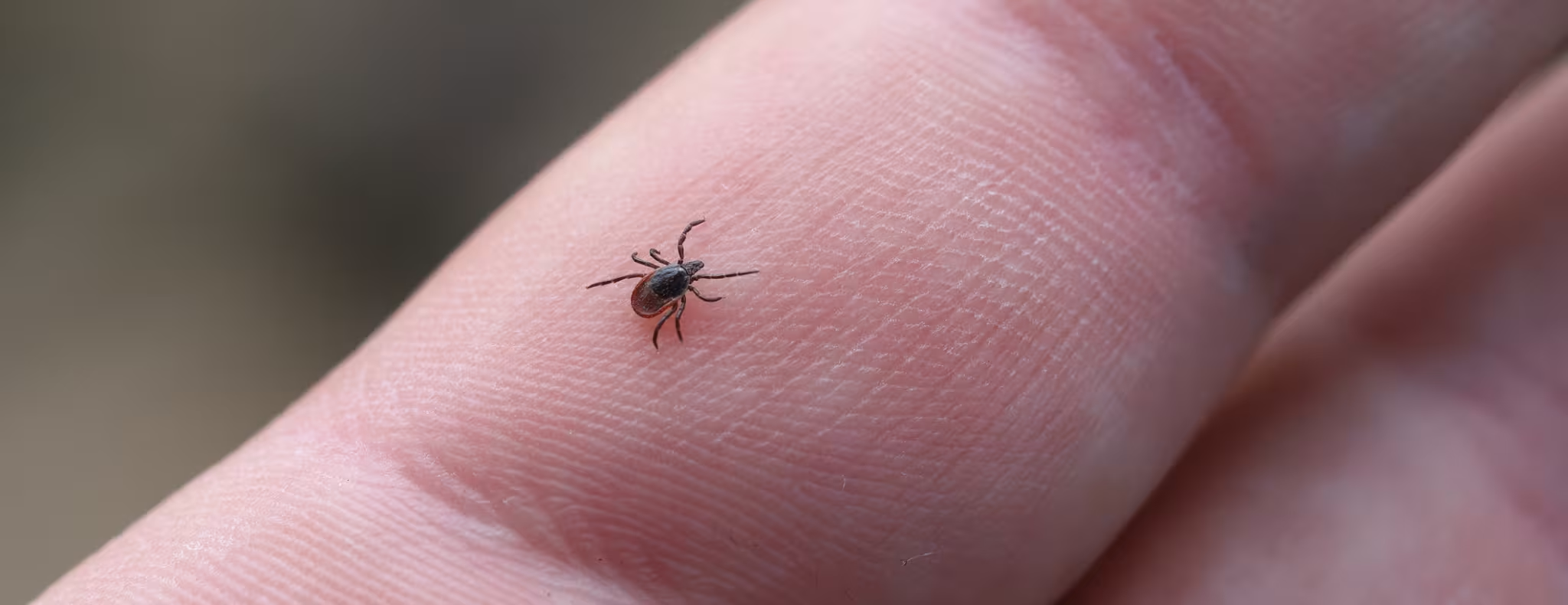
Don’t Let Tick Myths Put You at Risk
Ticks are becoming part of everyday life in Wellington, Dufferin and Guelph. As our climate changes and tick populations expand, more residents and their pets are encountering ticks in places, and at times of year, they may not expect.
But along with that increase comes something else: misconceptions about ticks.
Let’s clear up a few common misconceptions.
Myth #1: Ticks are only active in the summer
Not quite. Blacklegged ticks (the ones that can cause Lyme disease) can be active any time temperatures are above 0ºC. That means early spring, late fall, and even mild winter days can pose a risk.
But the time of year when Lyme disease risk is at its highest? Late spring and summer, when tiny nymphs (baby ticks) are most active and harder to spot.
Bottom line? No matter the season, there is always a reason to check for ticks.
Myth #2: Ticks only live in long grass

Ticks are often associated with long grass, but this depends on the species of tick. Blacklegged ticks prefer shaded, humid environments like mixed hardwood forests and trail edges where there is lots of shade, leaf litter and food. American dog ticks prefer meadows and long grass.
However, they can be found anywhere outdoors as they can hitch a ride on wildlife like small mammals, deer and birds.
Myth #3: All ticks can cause Lyme disease
This is incorrect. In Ontario, the blacklegged tick (also known as the deer tick) is the only species of tick that that carries Lyme disease, which is why proper identification is important.
And it’s not just Lyme disease we have to be aware of now. New diseases have emerged in recent years. Stay up to date on what to be aware of here: Tick-borne Diseases | WDG Public Health.
You can also download our Tick ID Card for quick reference and information.
Myth #4: You can bring your tick to Public Health to be tested
Nope! Instead, WDG Public Health offers a convenient online photo submission tool where you can send a clear image of the tick and receive timely identification and guidance. This approach helps you understand your risk quickly, plan any necessary next steps, and supports local tick surveillance efforts.
Find a tick on you, a family member or a pet? Instead of bringing it to your doctor or Public Health:
Take a photo and submit it to Public Health for identification. It’s one of the easiest ways to protect yourself and contribute to a healthier community: wdgpublichealth.ca/TickPhotos
Myth #5: You’ll develop a bullseye rash if you’ve contracted Lyme disease
Not necessarily. While the “bullseye” rash (erythema migrans) is a well-known sign of Lyme disease, it does not appear in every case.
It’s also easy to mistake other skin reactions for a bullseye rash. A small red bump right after a tick bite is common and is usually just a normal reaction. A true Lyme rash typically appears 3 to 30 days after a bite, starts at 5 cm in size, and slowly expands over time. It doesn’t always look like a perfect bullseye and can be confused with other skin conditions.
Bottom line? Don’t rely on a rash alone. Be aware of other early symptoms like fever, fatigue, headache, and muscle or joint aches. If you’re unsure, contact a healthcare provider.
A few tick tips
Perform routine tick checks
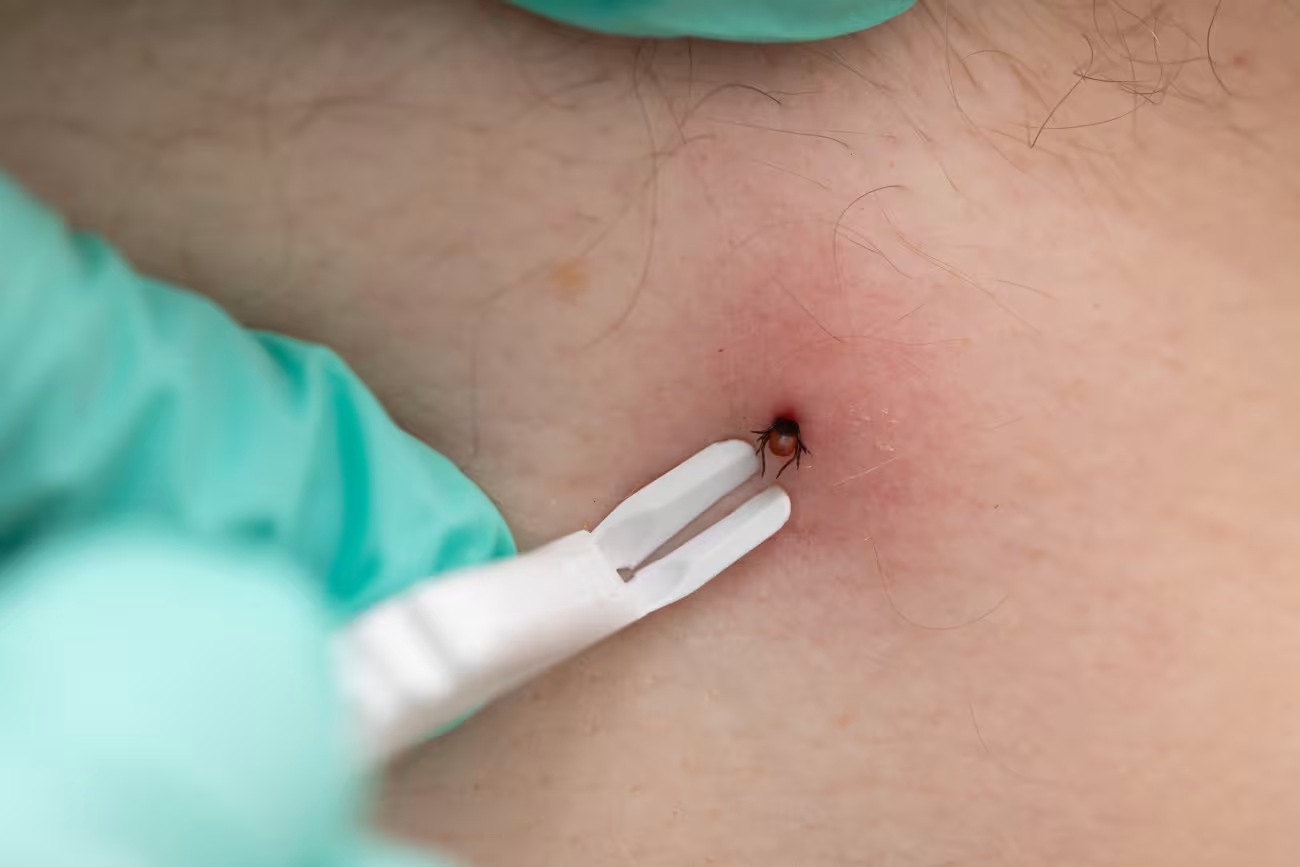
Make tick checks a part of your daily routine if you or your family have spent any time outdoors. Checking little ones? Try and make a game of it as part of their bedtime routine. Health Canada has some great resources on how to teach children about ticks, including “Battle-ticks”, an interactive game for children to learn about the top 10 places ticks like to hide on the body.
Check your furry friends
Dogs can pick up ticks in the same places you spend time outdoors, so their risk is the same as yours. If you find a tick on your pet, check yourself too. There are available treatments that can help protect your pet from getting tick bites so talk to your veterinarian about prevention. Don’t forget to check pet bedding and living areas, and keep grass trimmed and leaf litter cleared around your home.
Function over fashion
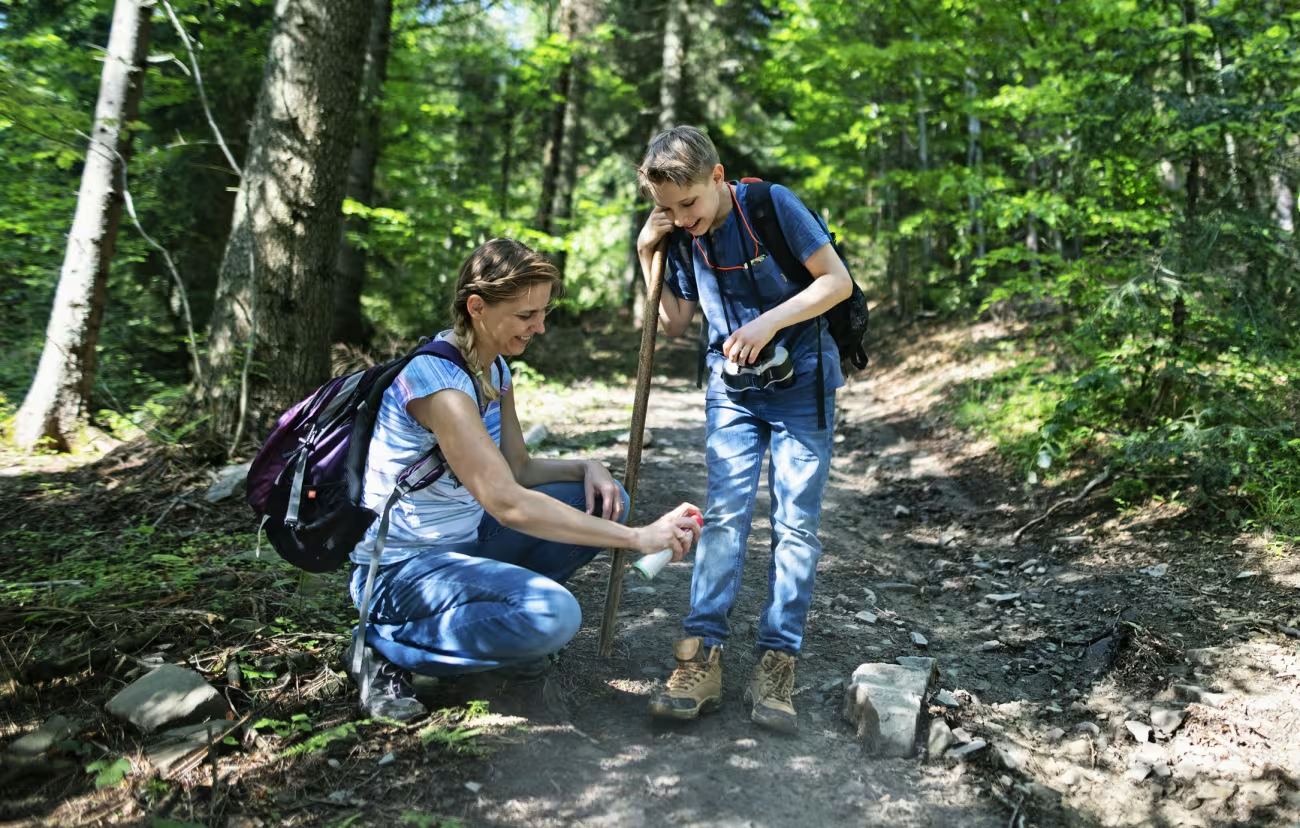
If you’re spending time outdoors, especially in areas ticks like to hang out, opt for light coloured clothes (this makes spotting ticks easier!), tuck your pants into your socks, and use an insect repellent that contains DEET or icaridin.
For more information and resources on ticks, visit wdgpublichealth.ca/ticks.