

Choices Rewired: A 3-Step Approach to Supporting Your Youth
What if the choices your youth makes are actually signals they’re asking for support? Supporting your child’s mental health doesn’t always start with big conversations. It can start with noticing small changes and the choices our youth are making in their daily life.
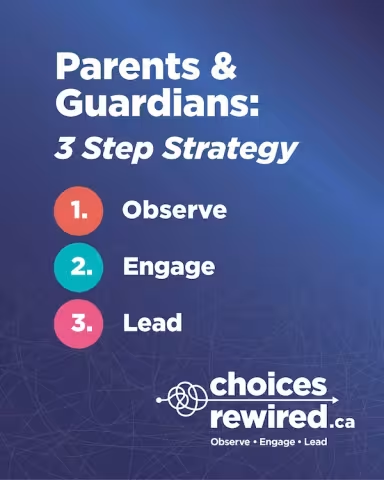
Choices Rewired is a campaign and framework developed in partnership with the Upper Grand District School Board and the Wellington Catholic District School Board. It is designed to help parents and caregivers understand the choices youth are making around substance use and screen time and how parents can respond with support rather than judgement.
During Mental Health Month, we shared key steps, signs, and actions on our social media to help parents and caregivers who may be concerned about a young person’s substance or screen use and its impact on their health and well-being. As summer approaches and routines change, we brought these tips together in this blog post to help navigate the summer months, and beyond, with the young people in your life.
Step 1: Observe
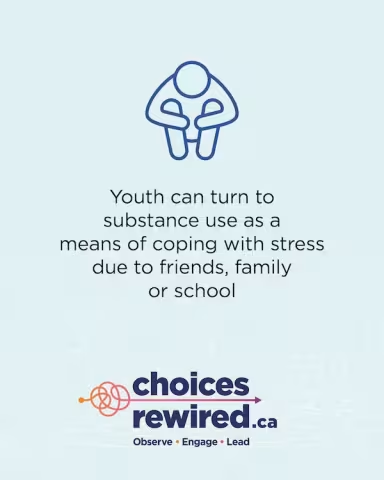
Stress related to friendships, family dynamics, school, and life transitions can have a significant impact on youth, and when healthy coping skills are still developing, they are more likely to rely on what feels easiest and most accessible. Substances and screens can offer temporary distraction or relief, but without appropriate support, this reliance can increase the risk of long-term harm and unhealthy habits.
Noticing changes in behaviour is often the first step toward getting youth the support they need. Below are some things parents and caregivers can keep an eye on:
Substance Use
- Watch for coughing or other health changes
- Notice if your teen seems stressed, sad, or anxious
- Be aware of any vaping or cannabis scents or paraphernalia
Screens
- Look for frequent or excessive phone use
- Notice signs of screen overuse like sleeping difficulties, neglected homework, irritability, and withdrawal
Step 2: Engage
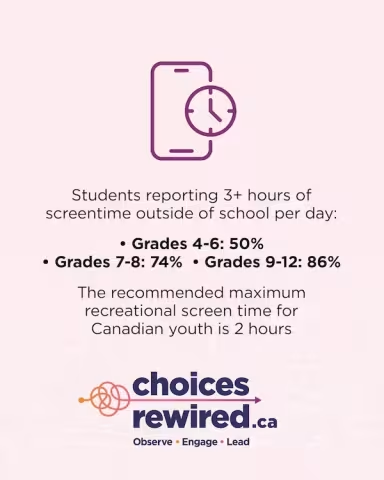
It is important to understand the underlying reasons that contribute to both substance use and excessive screen time among youth. Through having open conversations and engaging with your children, you can build trust, strengthen connection, and help them develop healthy coping skills and informed decision-making that support their long-term well-being.
Talking to your kids about substance use and screen time can feel uncomfortable, but the risks make these conversations essential. Below are some suggestions to help you engage in these discussions:
Substance Use
- Speak often and without judgement about substance use
- Ask them questions, listen intently, and learn more together
- Discuss the signs of addiction and mental health challenges
Screens
- Talk openly and often about screen habits and online experiences
- Ask questions like what they are watching, playing, or who they are chatting with
- Discuss online safety and the risks of excessive screen time
Step 3: Lead
Children are strongly influenced by the people and behaviors they see around them, which is why it’s important to model the habits and choices you hope to see in your own children. Here are some examples of what this can look like:
Substance Use
- Model healthy coping skills and ways to manage stress and challenges
- Ensure your substances are not available to youth
- Encourage family activities and quality time together
- Help your child find support if there is a problem
Screens
- Model healthy screen habits through limiting personal use
- Set expectations regarding screen use and encourage outdoor time, hobbies, and family activities that are screen-free
- Help your child find support if there is a problem
While summer offers opportunities for fun, independence, and growth, it can also bring new challenges. By following this three-step approach, you can play an active role in supporting youth, strengthening connection, and promoting healthy choices around substance use and screen time this summer and for years to come. Additional information and supports can be found on the Choices Rewired webpage. For more mental health information and resources, visit our Mental Health webpage.