During a Flood
Flooding can happen quickly. Monitor your local news for weather updates and special announcements from local officials.
Reduce potential damage when flooding is possible
If heavy rain is forecast for your area, the following actions can help reduce property damage:
- Clear drains, gutters and downspouts of dead leaves and other debris.
- Move furniture, electronics and items of sentimental value out of basements and lower levels of the home or raise them off the floor.
- Roll up rugs and, if possible, store them on higher floors.
- Make sure sump pumps and backwater valves are working properly. If a sump pump has a battery backup, make sure the batteries are fresh and replace them as required.
- Make sure basement windows are closed.
If flooding causes a power outage, food in your refrigerator and freezer may be at risk. Follow these tips to reduce the risk of food-borne illness:
- Keep refrigerator and freezer doors closed to maintain cold temperatures.
- If the door remains closed, a refrigerator will normally keep food cool for four hours. A full freezer without power will normally keep food frozen for about two days, while a half-full freezer will normally keep food frozen for one day.
- Add bags of ice, ice packs or repurposed plastic beverage containers filled with water to help keep food cold for longer.
- Consider using coolers or ice chests with a supply of ice to store food.
- Throw out perishable foods, such as meat, fish, poultry, eggs, dairy products and leftovers, that have been at temperatures above 4°C (40°F) for more than two hours.
- Throw out food that has come into contact with raw meat juices.
- When in doubt, throw it out. Consuming spoiled food can cause illness.
Potential hazards during a flood
Flooding can create hazardous situations both in and around your home:
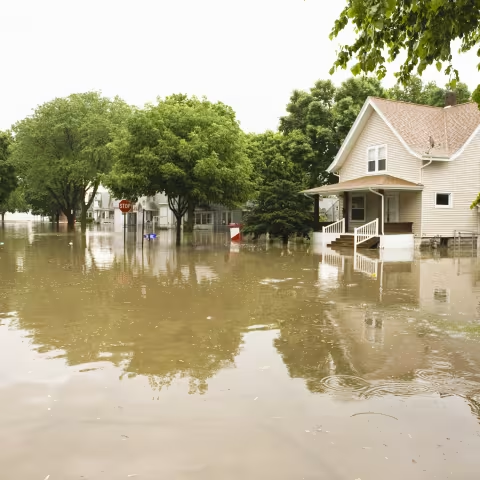
- Standing water may be electrically charged by indoor electrical systems and underground or downed power lines. Keep yourself, children and pets away from standing water and downed power lines.
- Floodwater can move quickly and pose a risk of drowning. Do not drive or walk through floodwater.
- Building structures can be damaged and become unsafe. Leave your home if there are signs of possible foundation or structural damage, including damage to porch roofs and overhangs.
- Floodwater can erode roads and walkways. Roads may be weakened and could collapse under the weight of a vehicle. Do not travel in flood-affected areas.
- Assume everything touched by floodwater is contaminated. Keep people and pets away from flooded areas.
- Floodwater can contain sewage, chemicals and debris, including broken glass. Do not enter a flooded space unless you are wearing appropriate personal protective equipment and clothing.
Avoid driving through floodwater
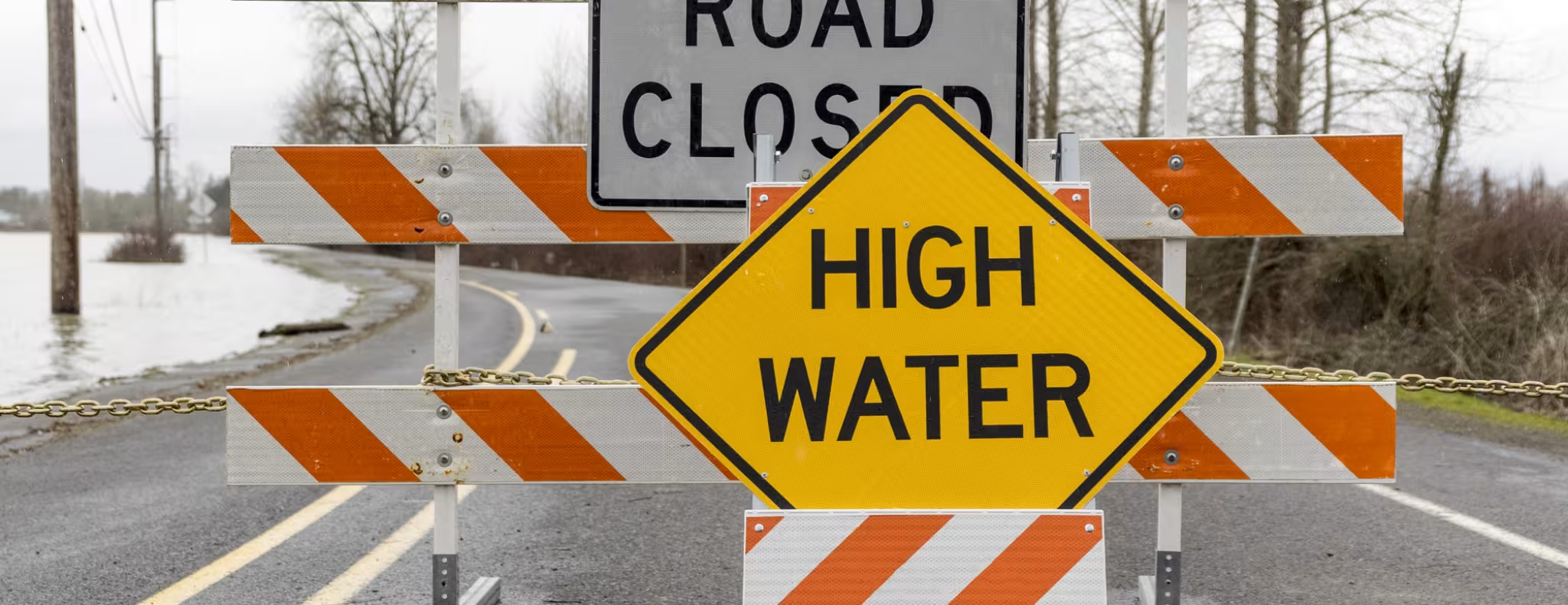
Floodwater can be deeper and more dangerous than it appears. Never attempt to drive through a flooded road. Turn around and find another route.
Even a small amount of water can put you and your vehicle at risk:
- As little as 15 centimetres (6 inches) of water can cause a vehicle to stall. Water entering the engine can also cause significant and costly damage.
- About 30 centimetres (1 foot) of water can cause most cars to float, resulting in a loss of steering and braking.
- About 60 centimetres (2 feet) of water can cause larger vehicles, including pickup trucks and SUVs, to float and be swept away.
- The condition of the road beneath the water may be unsafe. It may be damaged, washed away or no longer there.
- You could become stranded in dangerous conditions.
- Any moving water can sweep a vehicle away.
Evacuation
For your protection, you may decide it is necessary to evacuate your home or an area affected by flooding. You may also be officially ordered to evacuate.
An evacuation notice may be shared through:
- weather alerts
- social media
- local media
- municipal emergency notification systems
- officials going door to door
If you think you may need to evacuate during an emergency, monitor local radio, television and trusted online sources for emergency information. Travel only on routes specified by officials. A shortcut could take you into a blocked or dangerous area.
If you have time and it is safe:
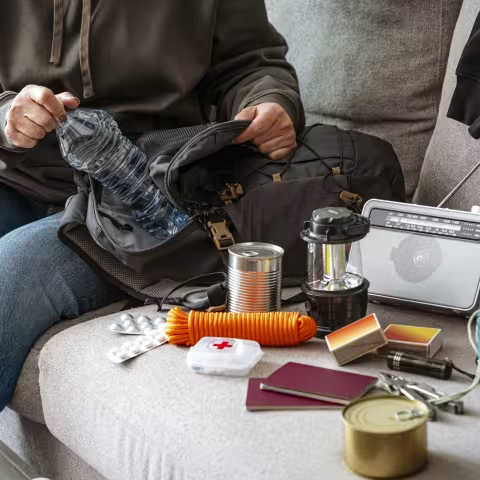
- Take your 72-Hour Emergency Kit, medications and other necessary supplies with you.
- Turn off the water, gas and electricity. If you cannot do so safely, evacuate your home and do not return until the appropriate utility company has confirmed it is safe.
- Check on neighbours who may need help, such as older adults or people with disabilities.
If you are asked to evacuate
An emergency evacuation centre may be opened to provide temporary shelter, food, information and other support to people affected by flooding.
If you are asked to evacuate:
- If it is safe and you have time, leave a note near your entrance or in a mailbox stating when you left and where you are going.
- Register when you arrive at the evacuation or reception centre. This helps emergency officials account for affected residents and may help family members reconnect.
- If you stay somewhere else, such as with family or friends, contact the designated centre to let officials know you are safe and where you are staying.
If you remain in your home
If you remain in your home, continue monitoring weather updates and instructions from emergency officials.
Avoid entering flooded areas unless absolutely necessary. Flooding can affect your safety and health. Take precautions to prevent illness and injury and follow the guidance on this page about potential hazards.
Flooding
Before a Flood