After a Flood
Floodwater can damage buildings, contaminate food and drinking water and create health and safety risks. Take precautions when returning home and during cleanup. If you are unsure whether it is safe to enter or clean your home, contact a qualified professional.
First steps after a flood
Conditions can change quickly after a flood. Buildings, roads, bridges, utilities and private properties may still be unsafe.
If you had to evacuate your home, wait until emergency officials say it is safe to return. Monitor local news and radio, municipal websites and official social media accounts or call 211 for updates.
When returning home:
- Go with someone else and bring a cellphone.
- Watch for damaged buildings, unstable ground, debris, downed power lines and floodwater.
- Do not drive or walk through floodwater.
- Assume everything touched by floodwater is contaminated.
- Keep children and pets away from flooded areas and contaminated items.
- Do not enter a building if there is standing water and the electricity may still be on.
- Do not attempt to reconnect electricity, natural gas, telephone or television cable services yourself. Call your service provider for assistance.
- Use a safe alternative source of drinking water, such as bottled water, until you know your water supply is safe.
- Call your insurance company as soon as possible to report flood damage.
- Take photographs or videos of the damage before beginning cleanup, if it is safe to do so. Your insurance provider will advise you on how to proceed based on your coverage.
- After contacting your insurance provider, consider hiring a professional, such as a damage restoration company, to clean the area properly.
Before re-entering your home:
- Check for foundation and structural damage. Make sure porch roofs and overhangs are properly supported.
- If you smell gas or suspect a gas leak, leave the area immediately and contact your gas provider or call 911. Do not smoke, use candles, turn lights on or off or use electrical devices until the area has been assessed.
- If you are unsure whether your home is safe, do not go inside. Contact a building inspector or structural engineer for advice.
Start cleanup and drying
Before starting cleanup, document all damage and keep records, including receipts for expenses. Contact your insurance representative as soon as possible.
Consider contacting a qualified restoration professional if:
- There is deep water in the basement.
- There is major structural damage.
- Electrical, gas, heating or cooling systems were affected.
- A large area of the home is wet or contaminated.
- Mould covers an area larger than one square metre.
- Mould returns after cleaning.
- You are unsure whether materials can be safely cleaned.
- Someone in the household is at higher risk from mould or contamination.
Find a flood damage restoration company:
- Institute of Inspection, Cleaning and Restoration Certification
- Better Business Bureau Central Ontario: Search for “fire and water damage” in the accredited business directory.
- Yellow Pages: Enter your municipality and search for “flood damage.”
- Skilled Trades Ontario: Find information about the qualifications and standing of registered trade professionals.
Protect your health during cleanup
Floodwater can contain sewage, chemicals and debris, including broken glass. Skin contact with contaminated floodwater can cause rashes and infections in open sores.
Wear appropriate personal protective equipment, wash your hands frequently with soap and clean water and cover open sores with waterproof dressings.
In addition:
- Keep children, pets, older adults, pregnant people and people with weakened immune systems or chronic health conditions away from flooded areas and contaminated items during cleanup.
- Do not use anything in your home that requires water, including toilets, showers, washing machines and sinks, until the floodwater has been removed.
- Use cleaners and disinfectants safely. Open windows and doors when using cleaning products and follow the directions on the product label. Never mix cleaning products, especially bleach and ammonia, as this can create toxic fumes.
- Dust created during cleanup can become airborne. Close off flooded areas during cleanup and repairs to prevent dust from spreading to other rooms.
- Do not use electrical appliances that are wet or may have been affected by floodwater until they have been inspected by a qualified electrician.
Wear protective equipment, including:
- a hard hat if there is a risk of falling debris or structural damage
- rubber gloves
- a mask, such as an N95 respirator, when cleaning mould, dust or contaminated materials
- protective eyewear
- long sleeves and pants
- rubber boots that are waterproof and puncture-resistant
Remove water and damaged materials
Take steps to prevent further damage to your home and belongings:
- Remove standing water. Use pumps or pails, a wet/dry vacuum and rags or towels. If the water in your basement is deep, contact a professional damage restoration company. The water may need to be drained slowly to prevent structural damage.
- Decide what to keep and what to throw away. Remove belongings from flooded rooms as quickly as possible to reduce water damage and mould growth.
- Items contaminated with sewage or that cannot be effectively cleaned and dried may need to be thrown out.
- Medications that have come into contact with floodwater should be taken to your local pharmacy for safe disposal.
- Remove soaked and dirty building materials and debris, including wet insulation and drywall.
- Dry and dehumidify your home quickly and thoroughly. Open windows to ventilate the area or use a fan to improve air circulation. Use a dehumidifier to remove moisture from the home.
Clean and disinfect surfaces
- Clean and disinfect surfaces as soon as possible to prevent the growth of bacteria, viruses and mould. If mould has already started to grow, see the Cleaning mould section. Never use a disinfectant, such as bleach, to clean mould.
- Clean non-porous surfaces and belongings, such as glass, plastic and metal, using unscented detergent, water and a cleaning brush. After cleaning, disinfect the surfaces using an appropriate disinfectant, such as a bleach and water solution. Carefully follow the directions on the product label. Wear appropriate personal protective equipment and ventilate the area.
- Porous materials, such as drywall, insulation and unsealed wood, that have been soaked must be discarded because they cannot be thoroughly cleaned and dried.
- If a large area is affected, consult a professional cleaning company.
To clean surfaces that are not affected by mould, prepare a mild bleach and water solution by mixing one teaspoon of bleach with three cups of water. Make sure the bleach has not expired.
Danger: Never mix different cleaning products. Check product labels before use.
Cleaning mould
Mould can begin growing on wet building materials and belongings within 48 hours. To prevent or minimize mould growth, remove the source of moisture, clean affected areas, discard items that cannot be cleaned and dry your home as quickly as possible.
Clean mould from washable surfaces like tile and glass:
- Wipe or scrub surfaces using a damp cloth and a solution of water and dish detergent.
- Wipe the surface again with a clean, damp cloth.
- Dry the surface quickly and thoroughly.
- If you have a high-efficiency particulate air (HEPA) vacuum cleaner, vacuum the cleaned surfaces and the surrounding area. Do not use a regular vacuum cleaner because it can spread mould spores into the air.
Any mouldy material or item that cannot be effectively cleaned should be discarded. Contact your municipality for disposal instructions.
Find a mould removal professional:
- Search the Yellow Pages for “mould removal and control.”
- Flood damage restoration companies may also have experience with mould removal.
Mould and your health
- Mould exposure affects people differently. Many healthy people experience no symptoms, while others may develop respiratory symptoms, such as asthma symptoms or a sore throat, or allergy-like symptoms.
- Some people are more vulnerable to the effects of mould. This may include children, older adults and people with weakened immune systems or medical conditions such as asthma, severe allergies or other respiratory conditions.
- When mould growth occurs, clean up the mould and eliminate the source of moisture to prevent further growth.
- Indoor air testing for mould is generally not recommended because the results can be difficult to interpret.
Food safety
If in doubt, throw it out.
Food exposed to floodwater may not be safe to eat, even if it looks or smells normal.
Wash your hands frequently with soap and clean water, especially after contact with floodwater, sewage or contaminated items.
The following foods should be considered unsafe and thrown out:
- food in boxes, bags, paper or plastic wrap
- food and drinks in bottles, plastic containers or jars because the area beneath the lid cannot be properly cleaned and disinfected
- fresh foods, such as meat, dairy products, fruit, vegetables and eggs
Commercially canned food in metal cans without dents, leaks or bulges is considered safe if it is properly cleaned and disinfected. Wash the cans in a strong dish soap solution and then soak them in a mild bleach and water solution for two minutes. This helps prevent contamination when the can is opened.
Thoroughly clean and disinfect dishes, eating and cooking utensils and food-contact surfaces.
Throw out eating utensils, cutting boards and other food-contact items that cannot be properly cleaned and disinfected.
Additional information
Drinking water safety
Municipal water supplies
Watch for drinking water advisories issued by your municipality or local public health unit and follow all instructions.
You may be instructed to use boiled water or an alternative water supply, such as bottled water. Bring water to a rolling boil for at least one minute before using it.
Safe water may be required for:
- cooking or preparing food
- preparing infant formula
- washing dishes
- cleaning
- brushing your teeth
- washing your hands
- making ice
- bathing
Private wells and septic systems
Your well water may be contaminated by floodwater. Use an alternative source of drinking water until test results confirm that your well water is safe to drink.
To test your well water, visit the Well Water Testing page for information about testing locations and hours.
If flooding on your property was severe, consider having your septic system inspected by a licensed contractor before using it again.
Discarding materials
- Place contaminated boxes, cans, bottles and paper in the garbage. Do not place these items in the Blue Box because they no longer meet recycling standards.
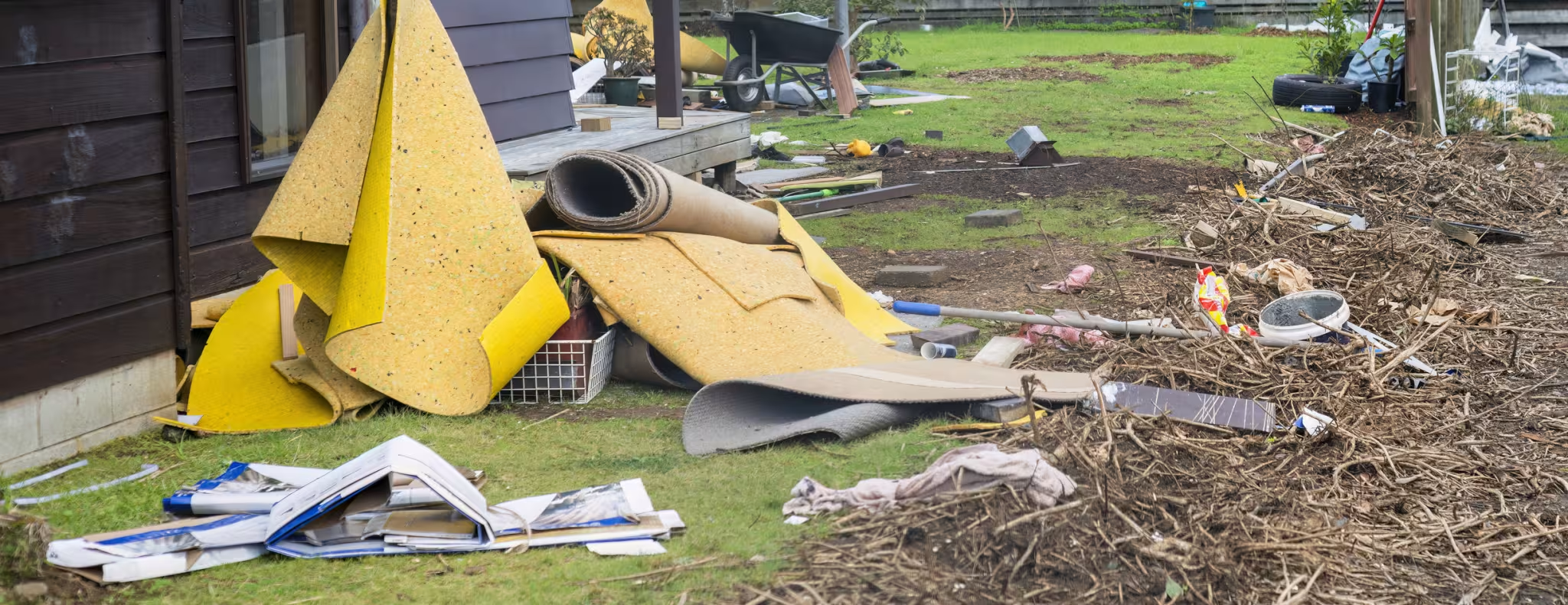
- Check local requirements for collecting large items, such as flooring, carpet and underpadding:
Flooding
Before a Flood