Before a Flood
Prevent flooding
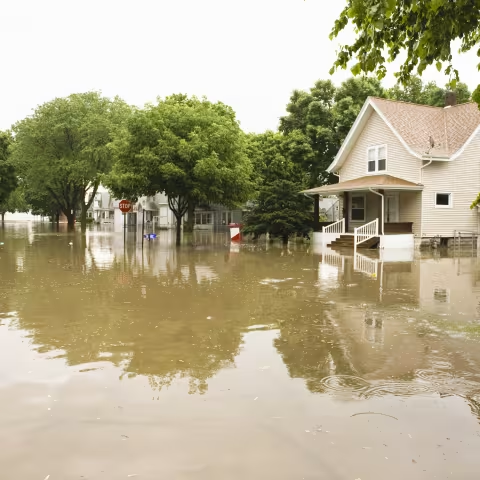
Different types of flooding can occur in your home. The main types of residential flooding are:
Overland flooding: Water enters your home from outside because of heavy rainfall, snowmelt or overflowing rivers and streams. Floodwater may appear clean and have little or no odour, but it should still be considered contaminated.
Sewer backup: Wastewater backs up through drains, toilets or sinks. This water is contaminated, often greyish in colour and typically has a strong odour.
Combination flooding: During severe storms, homes may experience both overland flooding and a sewer backup at the same time.
Reduce the risk before flooding happens
Ensure good drainage around your home
- Make sure the ground slopes away from your home’s exterior walls.
- Direct water from downspouts at least two metres away from your home.
- Downspouts, sump pumps, window well drains and driveway drains should generally not drain into the municipal wastewater or sanitary sewer system. Check with your municipality to make sure your drainage system meets local requirements.
- Disconnect weeping tiles and foundation drains from the wastewater system and install an automatic sump pump with battery backup power. Your municipality may need to inspect the system to make sure the overflow drains to an appropriate area.
- Regularly check the foundation, walls, floors and windows for leaks or cracks. Repair any issues quickly.
- Clear leaves and other debris from eavestroughs and downspouts to ensure proper drainage.
Understand and maintain your home plumbing system
- Install a backwater valve on the wastewater pipe to help prevent sewage from backing up into your home.
- Regularly inspect and maintain flood-prevention devices, such as backwater valves, sump pumps and floor drains.
- Have a drainage contractor inspect your lateral pipe using a closed-circuit television (CCTV) camera. The lateral pipe carries wastewater away from your home. If you have a history of tree root blockages in the lateral pipe, consider hiring a lining professional to reline it to help prevent future blockages.
Avoid clogging your drains
- Never pour kitchen grease, fats or oils down household drains. They can solidify in your plumbing system.
- Do not put food scraps or other solids down the drain.
- Do not flush wipes, even if they are labelled as flushable. They commonly cause sewer blockages.
Review your insurance coverage
Flood damage is not automatically covered by most insurance policies, and flood insurance may not be available for every property.
- Review your coverage each year with a licensed insurance broker or representative.
- Make sure you understand what types of water damage are and are not covered.
- Create a household inventory before flooding happens. Keep a written list, photos or a video showing your belongings. This information may be needed if you make an insurance claim.
- Store your inventory and insurance information somewhere safe and accessible.
See the Insurance Bureau of Canada’s guide to residential water damage and flood insurance for more information about coverage and ways to reduce flood risk.
Plan for emergencies
Emergencies can happen at any time. Being prepared is one of the best ways to protect yourself, your family and your property.
To reduce the impact of a flood:
- Store important documents above ground level, not in the basement.
- Keep floor drains clear of debris and obstructions.
- If your home is in an area prone to flooding, consider hiring a qualified professional to elevate the furnace, water heater and electrical panel.
Know the risks
Wellington and Dufferin Counties are vulnerable to a variety of natural and human-caused hazards. Make sure everyone in your household understands the hazards and risks that could affect your area.
Flooding can happen anywhere it rains. Even if your community appears to have a low risk, a flood could still occur. Not having experienced flooding in the past does not mean it will not happen in the future.
Make a plan
- Make sure everyone in your household knows what to do before, during and after an emergency such as a flood. Hold a family or household meeting to create an emergency plan.
- If you live alone, create a plan for yourself and identify neighbours, friends or family members who could provide support if needed.
- Keep printed copies of your emergency plan in your 72-Hour Emergency Kit, vehicle and workplace. Save a digital copy on your mobile phone.
Learn more about making an emergency plan on the Government of Canada’s Get Prepared website.
Build a kit
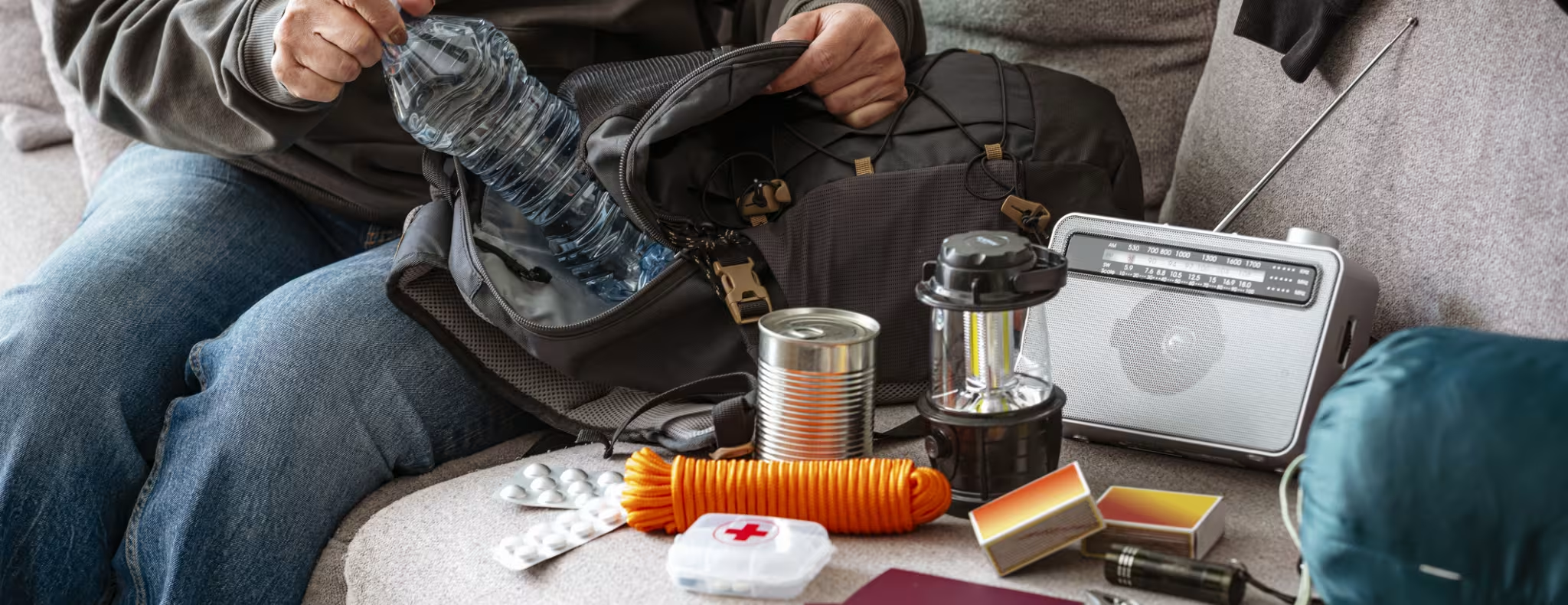
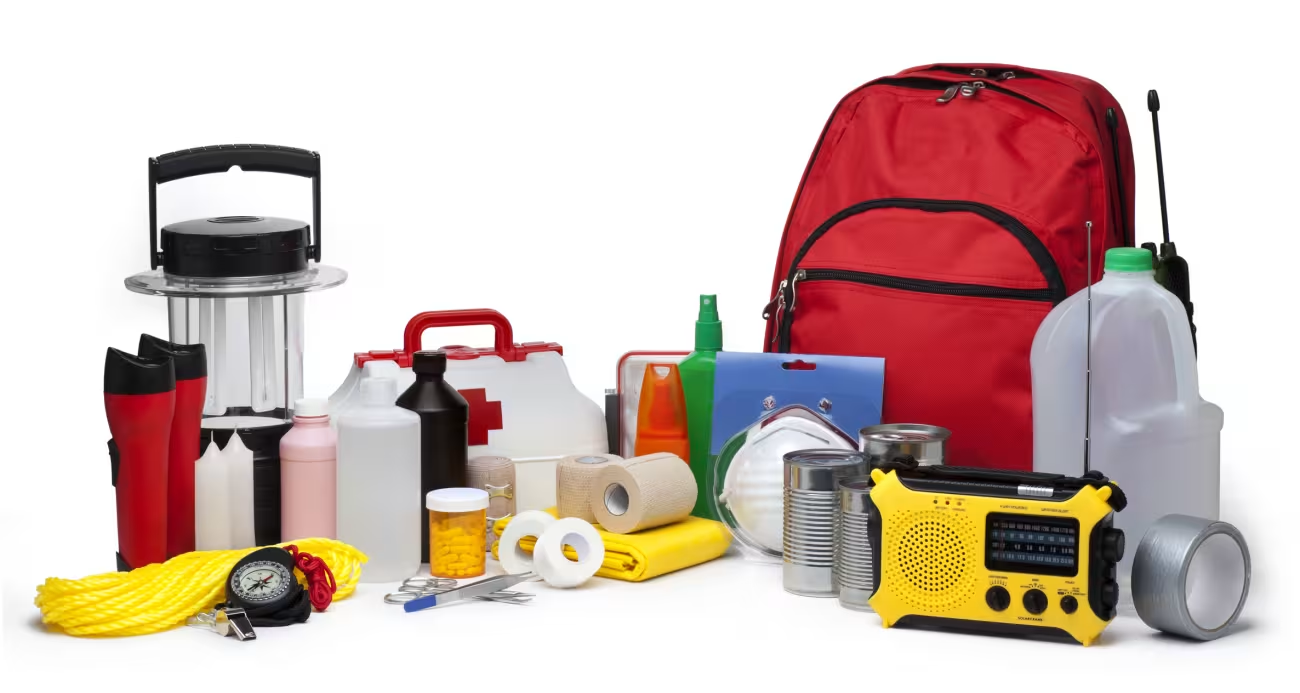
Prepare a 72-Hour Emergency Kit with enough supplies for everyone in your household. Store it in an easy-to-access location and make sure everyone knows where to find it. See what to include in an emergency kit on the Government of Canada’s Get Prepared website.
To prepare for a flood, consider adding:
- protective clothing that fully covers your skin
- gloves
- masks
- protective eyewear
- rubber boots that are waterproof and puncture-resistant
Keep your mobile phone fully charged when flooding is possible. Consider keeping a portable power bank in your emergency kit.
Flooding
During a Flood