
Radon
Do a test. Know your Radon risk.
WDG Public Health is looking for your help to understand radon levels in our region. If you have tested your home for radon, please complete the:
Radon Questionnaire.
Radon is a naturally occurring radioactive gas that is released from the soil. You can’t see it, smell it, or taste it, but this naturally occurring radioactive gas can leak into your home from soil, rock and groundwater. It seeps into buildings through cracks in the foundation. Once inside your home, it can accumulate, and the higher the concentration, the greater the risk of developing lung cancer.
Local radon testing results
Testing has found elevated radon levels in homes across Wellington-Dufferin-Guelph.
Health Canada survey conducted in 2009:
- 15% of homes tested across Wellington-Dufferin-Guelph tested above the recommended guideline for radon
- 18% of homes tested in Guelph tested above the recommended radon guideline
2025 Wellington County 100 Radon Test Kit Challenge
Among 117 homes tested:
- 9% measured above 200 Bq/m3
- 25% measured between 100 and 200 Bq/m3
- 67% measured below 100 Bq/m3
Results reflect participating homes and are not representative of all homes in Wellington County.
High levels of radon present a health risk: radon is the leading cause of lung cancer in non-smokers. And the risks of developing lung cancer from radon are greater for smokers and those exposed to second-hand smoke. The only way to know the level of radon in your home is to test for it.
If you have a basement or crawl space in your home, this presents an avenue by which radon can enter the home. You are most at risk if you spend a lot of time in your basement. If you have an office in the basement, if your children spend a lot of time in the basement, or if you rent a basement unit, it is important to know your home’s radon levels.
Radon testing
Because radon is a colourless, odourless gas, you can’t see it, smell it or taste it. That means you don’t know how much radon is in your home – unless you test. Testing your home for radon is easy and inexpensive. Health Canada recommends using an approved long-term radon detector for at least three months. The best time to test is between October and March, when windows and doors are usually closed. If the radon level in your home is high, there are steps that you can take to lower it.
Visit a library and borrow a radon screening tool for free.
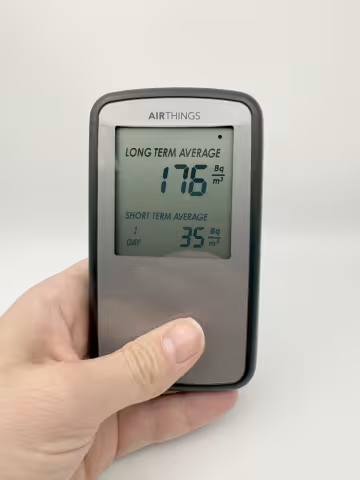
Digital radon detectors are a great way to complete an initial radon screening test in your home for free. A digital radon detector can also provide a valid long-term measurement if suitable for that purpose and used for at least 91 days. A few days or weeks of detector readings are preliminary, and are not a reliable basis for deciding whether to mitigate. Local libraries that offer Digital Radon Detector Loan programs include the following:
Purchase a long-term radon test kit
For a list of Ontario suppliers, visit Take Action on Radon - Where to buy test kits.
You should check the list of radon testing devices approved by the Canadian National Radon Proficiency Program (C-NRPP) before purchasing your kit to ensure it is on the list. Testing devices fit in the palm of your hand and typically look like this:
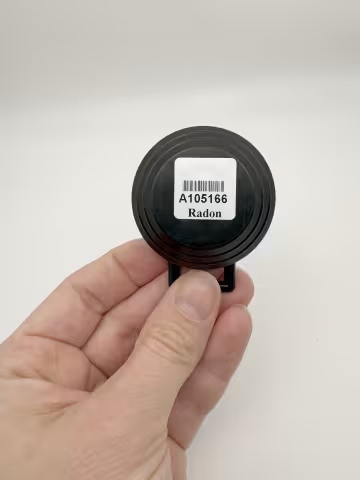
Instructions generally involve unpacking the device, placing it in your home (the user’s manual will provide tips on picking a location) and waiting at least three months before packing it back up and shipping it to a lab for analysis. The fall and winter are ideal times to test your home because windows and doors are generally closed, preventing drafts from affecting results.
Once you have your test results, you can compare them with the Health Canada guideline, which recommends remediating (taking steps to repair) if indoor radon levels are above 200 Bq/m3.
For more advice on testing and remediating your home, visit Take Action on Radon.
If your home has high radon, you have options. The cost of remediation is comparable to other home repairs, such as replacing a furnace or air conditioner. Find a certified radon mitigation professional.
The Canadian Lung Association’s Lungs Matter program may provide up to $1,500 to eligible households, subject to program criteria and available funding.
Ontario new home warranty coverage for radon mitigation may apply for up to seven years, depending on eligibility and claim requirements. Owners can contact Tarion and their builder for more details.
Additional information
Since 2015, the Ontario Building Code requires radon gas mitigation measures be implemented in all new low-rise residential dwellings where radon is a known problem. This includes the City of Guelph.
If you have concerns or questions about radon in your home, visit the links below for more information.
City of Guelph
Learn more about the City’s radon gas mitigation program and requirements for new buildings at Radon Gas Mitigation Program - City of Guelph.
Wellington County and Dufferin County
Contact Wellington-Dufferin-Guelph Public Health at
- 1-800-265-7293 ext. 4753
- info@wdgpublichealth.ca
In Ontario, landlords are not legally required to test a rental property. However, discuss with your landlord as they may already know the radon levels in the home. Some steps that you can take to protect yourself include the following:
- Discuss with your landlord about radon testing.
- Purchase a radon test kit, at the links above.
- Borrow a short-term test kit from a local library
If testing indicates high radon levels, share the results with your landlord. They may be required to disclose this information to future renters or buyers. Landlords are required to provide safe housing, so they may also be required to reduce the radon level. Consult with your local property standards officials for more information.
Visit the Common Household Concerns page for Municipal property standards contacts