Media Release – Dead crow in Guelph positive for West Nile virus
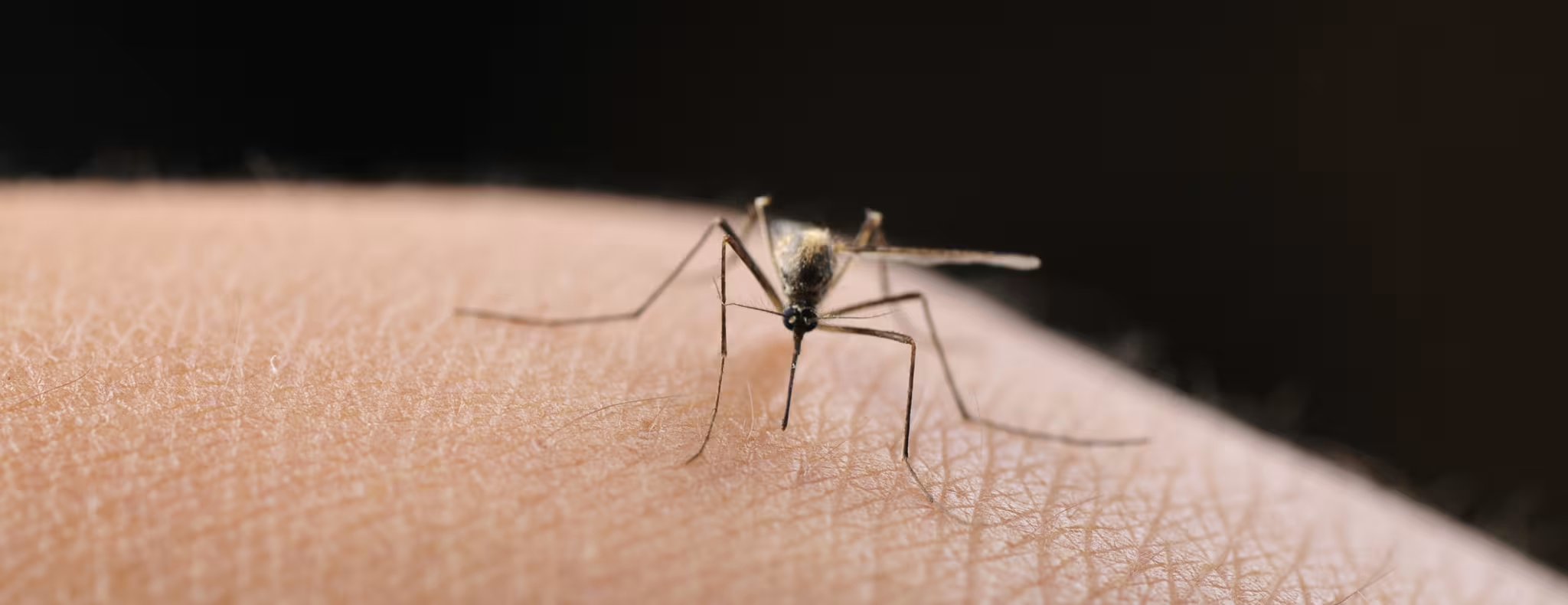
June 2, 2026: A dead crow found in the City of Guelph has tested positive for West Nile virus (WNV). While there are currently no human cases in the region, a positive local bird suggests mosquitoes carrying the virus may be present and residents should take precautions to reduce the risk of bites.
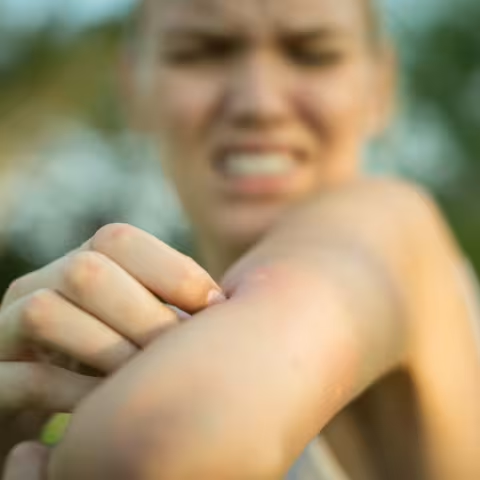
WNV is an infection spread through the bite of an infected mosquito. It is present in Ontario and across Canada, with highest risk in summer and early fall when mosquitoes are most active. Symptoms usually begin two to 14 days after a mosquito bite and may include fever, headache, body aches, fatigue, nausea or vomiting. Most people infected with WNV do not develop symptoms, but in rare cases it can result in serious illness like inflammation of the brain or spinal cord. There is no specific treatment.
“Although the risk in our region is low, WNV is still present and people should stay vigilant,” said Dr. Matthew Tenenbaum, Associate Medical Officer of Health, Wellington-Dufferin-Guelph Public Health. “We continue to monitor and control local mosquito populations, but it is important for everyone to take the basic steps that help prevent mosquito bites.”
To reduce your risk of WNV and other mosquito-borne illnesses:
- Wear light-coloured, long-sleeved shirts and pants, especially outdoors at dawn and dusk.
- Use Health Canada-approved mosquito repellent.
- Repair window and door screens.
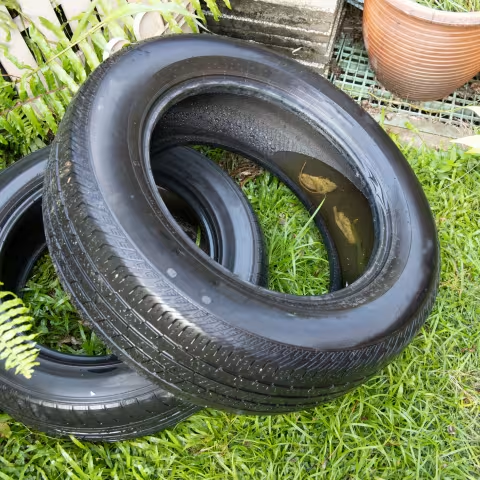
- Drain standing water from property (e.g., flowerpots, birdbaths, kiddie pools, clogged gutters).
- Contact your healthcare provider if you develop symptoms after a mosquito bite.
For more information, including how to submit dead birds for WNV testing, please visit wdgpublichealth.ca/mosquitoes.
Media Contact
Kelvin McDermott
Communications Specialist
Wellington-Dufferin-Guelph Public Health
(519) 827-5864
Latest News

Mosquitoes
Mosquito-borne Diseases